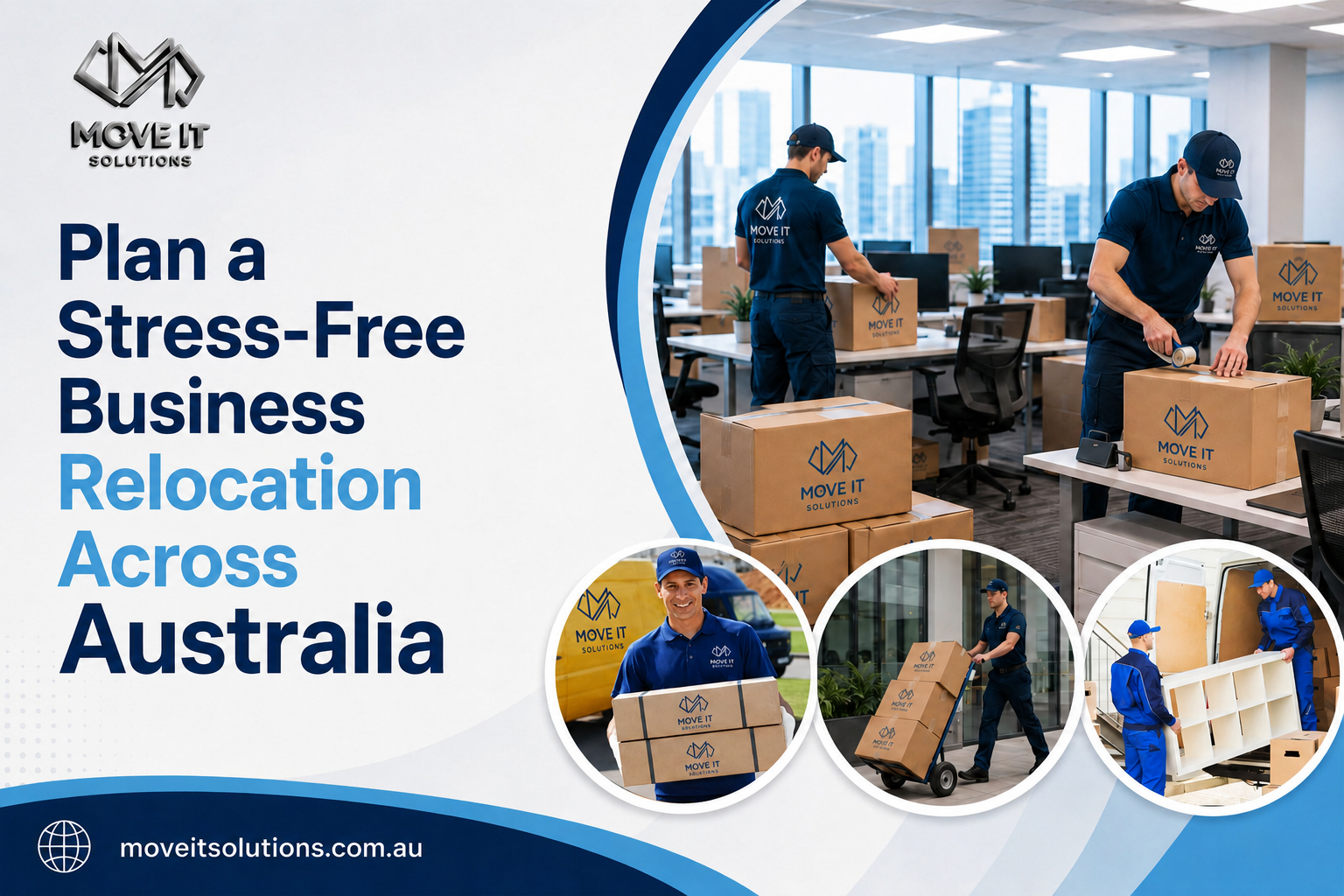
How to Plan a Smooth and Stress-Free Business Relocation Across Australia
Relocating a business is a major undertaking. Whether you are moving to a larger office, shifting your operations to another city, or expanding into a new state, a business relocation involves much more than transporting furniture and equipment. It requires careful planning, coordination and communication to ensure your operations continue with minimal disruption.For businesses planning business relocations across Australia, having a structured moving strategy can make the entire process more organised and manageable. From choosing the right premises to packing equipment and preparing employees, every stage deserves attention.
Start Planning Your Business Relocation Early
One of the biggest mistakes businesses make is leaving relocation planning until the last minute. A commercial move can involve employees, furniture, IT equipment, documents, stock, suppliers and customers, so giving yourself adequate time is essential.Start by establishing:
Your preferred moving date
The reason and objectives for the relocation
The new premises and its requirements
The items that need to be moved
The expected relocation budget
Key employees responsible for different aspects of the move
Create a detailed timeline with deadlines for each task. This allows you to identify potential problems early and avoid unnecessary last-minute pressure.
Choose the Right Location for Your Business
If you are relocating because your business is growing or changing its operational needs, the new location should support your long-term objectives. Consider accessibility, available space, parking, transport links, customer convenience, utilities and opportunities for future growth.The Australian Government recommends defining your business requirements before choosing premises, including location, size, layout, costs, facilities, compliance requirements and future expansion needs.For interstate relocations, research the new area carefully and consider how the location will affect employees, customers, suppliers and daily operations.
Prepare a Detailed Moving Inventory
Before anything is packed, create an inventory of everything that needs to be relocated. This may include:
Office desks and chairs
Computers and monitors
Printers and other equipment
Filing cabinets and documents
Warehouse stock
Display units
Machinery
Electronics
Kitchen and break-room equipment
Separate items into categories such as move, store, dispose, donate or replace.An inventory helps you understand the scale of the relocation and makes it easier to plan packing, transportation and placement at the new premises.
Protect Your IT Equipment and Important Documents
For most modern businesses, computers, servers, networking equipment and digital infrastructure are among the most important assets to relocate.Coordinate with your IT team or service provider before moving. Back up important data and establish a clear plan for disconnecting, transporting, reconnecting and testing equipment.Sensitive paperwork and confidential business records should also be securely packed and handled. Clearly labelling boxes and maintaining an inventory can make it much easier to locate important items after the move.
Communicate With Your Employees
Employees should not find out about a business relocation at the last minute. Clear communication can reduce confusion and help your team prepare for the transition.Inform employees about:
The relocation date
The new business address
Packing responsibilities
Changes to commuting arrangements
New workplace facilities
Temporary working arrangements
What they should expect on moving day
Assign specific responsibilities to members of your team rather than expecting everyone to manage the relocation independently.
Plan to Minimise Business Downtime
One of the biggest concerns during a business relocation is disruption to normal operations. The goal should be to complete the move while keeping essential business functions running wherever possible.Depending on your business, you may choose to move during a weekend, public holiday or outside normal operating hours. Some organisations may also use temporary workspaces or phased relocation strategies.Professional business relocation services can help coordinate packing, transportation, staging and delivery so that the move follows a planned sequence. Industry relocation providers commonly use detailed move plans, specialised handling and scheduling strategies to reduce downtime.
Work With Professional Business Movers
A business relocation is considerably more complex than a standard household move. Professional movers experienced in commercial relocations can help manage heavy furniture, delicate equipment, office technology, stock and other business assets.When choosing a moving company, consider:
Experience with commercial relocations
Interstate moving capabilities
Packing and handling services
Storage options
Insurance and protection arrangements
Equipment and vehicles
Communication and tracking
Flexibility around your preferred schedule
For larger or interstate moves, choosing a company that can coordinate the relocation from beginning to end can reduce the number of moving parts you need to manage yourself.
Consider Storage During the Transition
Not everything always moves directly from the old premises to the new one. Your new office may not be ready when your current lease ends, or you may need temporary space while completing a staged relocation.Secure short- or long-term storage can provide flexibility during these situations. It can also be useful when you have excess furniture, seasonal stock or equipment that you do not immediately need.
Update Your Business Details
Once your new location is confirmed, remember to update your business address wherever necessary.Review your:
Website and social media profiles
Google Business Profile
Business stationery
Invoices and documents
Customer communications
Supplier records
Insurance policies
Licences and permits
Banking and financial records
The Australian Government notes that a business may have different types of addresses, including its principal place of business, registered office and postal address, so businesses should ensure their records reflect the appropriate changes.
Make Moving Day a Coordinated Process
On moving day, avoid leaving everything to chance. Have a designated person responsible for overseeing the relocation and communicating with the moving team.Before leaving the old premises, check that:
All items have been collected
Storage areas have been cleared
Important documents are accounted for
Utilities and access arrangements have been addressed
The premises has been inspected
At the new location, confirm that furniture and equipment are being placed according to the planned layout.
Make Your Business Relocation Easier With the Right Planning
A successful business relocation is not simply about getting from one address to another. It is about protecting your assets, supporting your employees, reducing downtime and ensuring your business is ready to operate from its new location.Whether you are planning a local office move or business relocation across Australia, starting early and working with experienced professionals can make the transition significantly smoother.With the right plan, careful communication and reliable moving support, your business can leave its old premises with confidence and begin its next chapter without unnecessary disruption.


 August 14, 2026 - By : admin

Leave a comment